

Skip to content
Kitfix MarineMarine Engineering志在遊艇工程
John Deere

Marine engines

John Deere Marine Propulsion Engines

John Deere marine propulsion engines power a range of recreational and commercial vessels. A useful service enquiry starts with the engine identity and the way it is installed: transmission, shaft line, cooling and controls all affect maintenance and repower decisions. Kitfix can help Hong Kong owners scope engine service, installation planning and parts enquiries around the boat’s actual configuration.

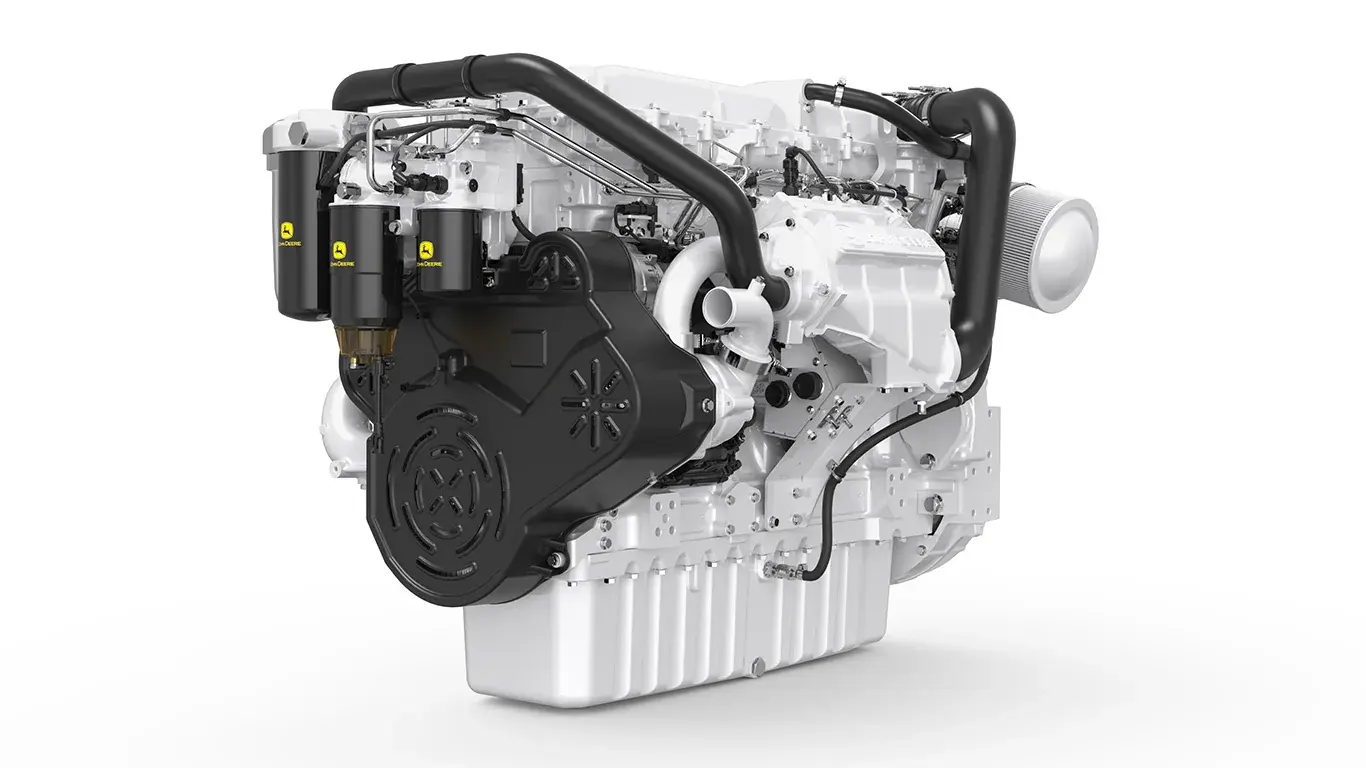
John Deere JD14X marine propulsion engine

EQUIPMENT SYSTEMS

Systems and product families

John Deere’s marine propulsion offering includes engine families with different installation envelopes and vessel applications. The manufacturer’s product information identifies model-specific ratings and configurations; those details should be matched to the engine plate rather than inferred from a painted cover or a family name. Repowering involves the complete propulsion path, including transmission ratio, propeller, mounts, exhaust, cooling, electrical interfaces and available machinery-space access. For a running engine, maintenance history and operating conditions help distinguish routine service from a developing concern. Kitfix can assist with a practical scope for service or replacement discussions and with gathering the information needed to identify parts.

01Marine propulsion engine families

The range includes propulsion engines intended for different boat sizes and duty profiles. Compare the exact engine model, rated configuration and installation dimensions with vessel displacement, expected use and the existing drivetrain.

02Transmission and propeller matching

The gearbox or marine transmission, reduction ratio and propeller determine how engine power reaches the water. A repower assessment should include shaft or drive type, gear details and propeller data, not only the engine’s advertised rating.

03Controls, cooling and service parts

Engine controls, cooling components, exhaust connections and electrical interfaces vary by model and installation. Identifying the serial range helps match service items and understand which procedure applies.

SERVICE AND INSTALLATION

Planning service for your vessel

  1. 01

    Capture nameplate and configuration details

    Photograph the engine plate and record model, serial number, transmission and engine hours. Include the control panel, recent alarms and relevant maintenance records.

  2. 02

    Assess the repower route

    Measure the machinery-space entrance and removal path. Check mounts, shaft alignment, exhaust, cooling, fuel supply and electrical connections before comparing replacement engines.

  3. 03

    Describe the operating symptom

    Note engine speed, load, temperature, alarms and whether the concern appears during cold start, manoeuvring or sustained running. These details help separate an engine issue from a propeller, fuel, cooling or transmission problem.

COMMON QUESTIONS

Questions about this equipment

Can I replace a John Deere engine with one from the same family?

A family name alone does not establish a direct fit. Confirm the exact model and serial configuration, dimensions, mounts, transmission, shaft and propeller, cooling, exhaust, electrical connections and vessel requirements.

What details are useful for a parts enquiry?

Provide a clear engine data-plate photo and serial number, the component name or photo, engine hours and any relevant maintenance or fault history. Include transmission identification if the part relates to the propulsion drive.

MORE IN THIS CATEGORY

TALK TO KITFIX

Discuss this equipment with Kitfix

Share the vessel location and equipment details to discuss a suitable service scope and next steps.

Start an equipment enquiry